How To Get The Best Labradoodle Shoes?
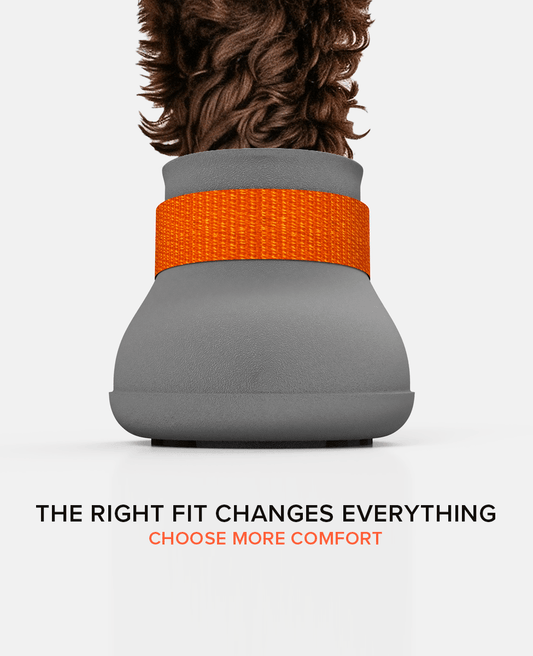
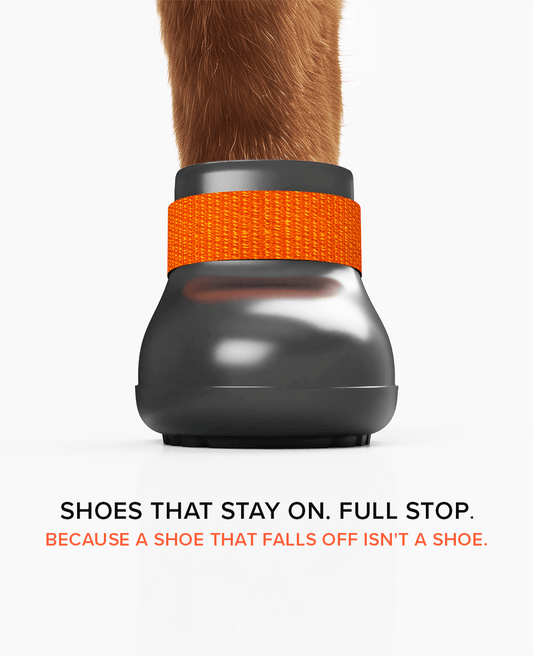
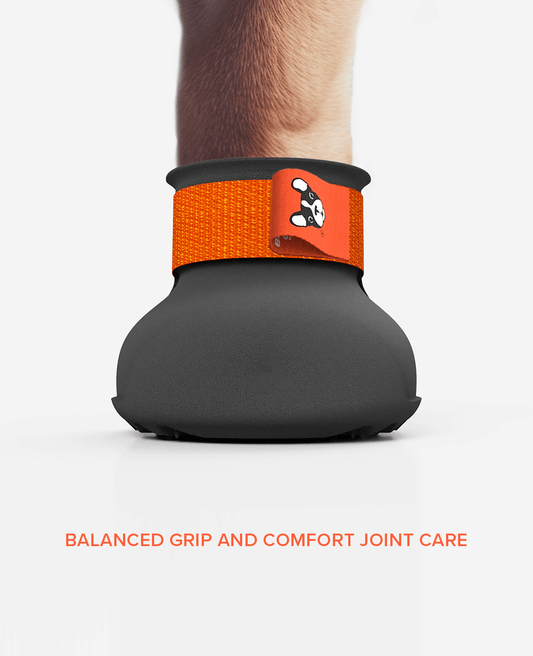
What this is: A guide on how to get the best dog shoes for your Labradoodle. BARK & SOLE custom dog shoes has two features - THEY DON'T FALL OFF and THEY FIT PERFECTLY which makes them the best dog shoes for Labradoodles.
Most dog shoes don’t fit right—wrong size, wrong shape, shoes fall off, unhappy dog. We fix that.
BARK & SOLE has Labradoodle shoes to match your dog's needs
-
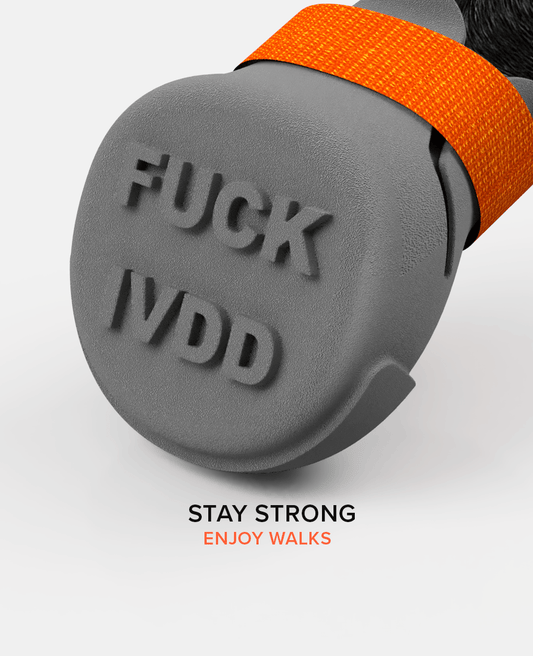
IVDD stage 5 dog shoe
Regular price €52,90 EURRegular priceSale price €52,90 EUR -
STANDARD Dog Shoe
Regular price €43,90 EURRegular priceSale price €43,90 EUR -
SUMMER Dog Shoe
Regular price €45,90 EURRegular priceSale price €45,90 EUR -
WINTER Dog Shoe
Regular price From €59,90 EURRegular priceSale price From €59,90 EUR -
ARTHRITIS Dog Shoe
Regular price From €49,90 EURRegular priceSale price From €49,90 EUR -
EXTRA TAILORED Dog Shoe
Regular price From €79,90 EURRegular priceSale price From €79,90 EUR
Why Do Bark & Sole Dog Shoes Fit Perfectly and Stay On?
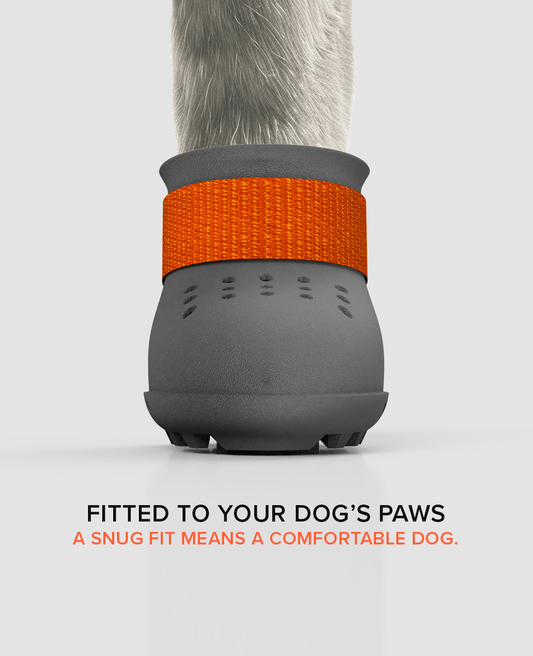
At Bark & Sole, we eliminate the frustration by custom-making every shoe based on your dog's breed, gait, paw shape, and size.
LABRADOODLE BREED SPECIFIC DOG SHOE FEATURES
With BARK & SOLE shoes, traditional dog shoe problems disappear. Most traditional dog shoes follow a "one-shape-fits-all" approach, ignoring the fact that different breeds have different paw shapes and paw structure. Below are the shortcomings of the traditional dog shoes. We fix all of those.
-
DOG SHOE SHAPE
Traditional dog shoes are unlikely to match your dog’s paw shape. They don’t account for breed differences. Most Labradoodles have a long paws, however we've seen some more round ones also.
Our shoes are built for your dog's breed. -
DOG SHOE SIZE
Traditional dog shoes have too much space in the front or the sides making them uncomfortable and clumsy. Its common that Labradoodles have too much space in the sides.
Our shoes are built with your dog's dimensions. -
DOG SHOE STRUCTURE
Traditional dog shoes are generic and don't take into account differences in dog breeds paw structure nor gait. e.g. Fastening position causes discomfort and structure doesn't support natural movement.
Our shoes are built with your dog's paw structure
How do you measure dogs paws to get the custom Labradoodle shoes?
We know measuring your dog's paws can be a tricky challenge. Be patient and take your time. It's worth it.
MEASUREMENT TIPS
1. We recommend using a caliper tool for the most accurate paw measurements.
2. Measure paw width (A) and paw length (B) while dog is standing and bearing weight on paw.
3. Keep the measurements exact. We'll add extra space to all measurements for wiggle room
4. Take the C & D measurements a bit above the metacarpal pad. CHECK THIS VIDEO
5. Measure paws when claws are short. And keep those claws short! Long claws and snug fit don't go well together!
6. Front and hind legs are different in size. Measure them both.
7. If you don’t have a caliper (which we highly recommend), you can download and print our measurement guide using the link below.
HOW IT WORKS
-
1. ORDER
Start with order. Input your dog’s breed and the required paw information. -
2. CHECK YOUR EMAIL
We will email you with instructions on HOW TO MEASURE and provide the required measurements. Your measurements drive the delivery timeline. -
3. RECEIVE
In 2–3 weeks, your dog’s custom shoes arrive — perfectly fitted and built to stay on.
Frequently asked questions
Collapsible content
Can you ensure the shoes stay on?
The truth is, every dog’s paws are unique. Our data shows that even within the same breed, paw shape and size can vary more than you’d imagine. That’s what makes designing the perfect fit both an art and a science.
With BARK & SOLE shoes, you have the best possible chance of achieving a secure and comfortable fit. Many of our customers find that the shoes stay on beautifully during walks and play.
The most important factor is the accuracy of the measurements you provide. We strongly recommend double-checking our measuring guide before placing your order — it’s the key to a perfect fit.
And don’t worry — we’re always here to help you troubleshoot if needed. Together, we’ll make sure your pup gets the comfort and fit they deserve.
Which dog breeds are BARK & SOLE shoes made for?
We first started by making shoes for French Bulldogs, but today we craft custom shoes for almost all small and medium-sized dog breeds.
If your dog’s breed isn’t listed in the drop-down menu at checkout, please reach out to us through our contact form — we’re happy to help.
Why don’t you make shoes longer than 2.75 inches (70 mm)?
At the moment, we don’t offer longer shoes as part of our standard selection. Longer paws require more complex tailoring, and larger shoes are more material-intensive, making production costs about 1,5-5 times higher than our regular price.
If your dog has longer paws, please contact us through our contact form — we’ll be happy to explore a custom solution together.
Can I send a 3D scan of my dog's paw?
Yes. If you prefer to skip manual measurements, you can send us a 3D paw scan or file. It allows us to craft an even more precise and perfectly fitting shoe for your dog.
What is the expected lifespan of the shoes?
Our shoes wear similarly to Crocs or sneakers — durable for everyday use, but they will gradually show wear depending on how active your dog is and the surfaces they walk on.
How and why are custom shoes better than traditional dog shoes?
1. They Match Your Dog’s Paw Shape
Traditional dog shoes follow a generic design, but every breed has unique paw shapes:
a) Oval, longer than wide (Hare-type paw)
b) Round, nearly equal in length and width (Cat-type paw)
c) Oval, wider than long (Broad-type paw)
2. They Fit Perfectly
Most dog shoes follow a "one-size-fits-all" model with limited sizing options. Custom-made shoes are designed specifically to your dog’s exact paw measurements. Did you know that hind paws are typically 15-20% smaller than front paws—so buying the same size for both fore and hind legs won’t work!
3. They Account for Breed-Specific Paw Features
Did you know that dew claws and carpal pads are positioned differently depending on the breed? Custom dog shoes consider these unique features, ensuring a better fit and improved stability.
4. They Are More Comfortable
Comfort is key—especially for stubborn dogs who refuse to wear shoes! A well-fitted shoe increases the chance your dog will actually wear them. The more comfortable, the less resistance you’ll face when putting them on.
5. They Are More Sustainable
Did you know that 70% of dog shoes go unused because they don’t fit properly? What a waste of resources! The biggest issues:
a) Wrong shoe shape = too tight or too loose
b) Incorrect size = uncomfortable fit
c) Poor breed fit = fastening straps in the wrong position
With custom-made shoes, you get the right shape, size, and design—ensuring your pup actually wears them instead of rejecting them.
Amazing shoes !
These custom dog shoes are great ! Thank you so much for making them ! My dog has a muscle disability and drags his front paws these shoes provide stability he needed to help him walk and stay on ! Thank you
Lois & Linda Petrosino
We offer a wide range of custom dog shoes to meet different needs. If your dog has a medical condition, be sure to check out our guide. Find a Right Dog Shoe For Your Dog's Medical Condition
Common Labradoodle Paw Problems and solutions
Tips for Labradoodle Paw Wellbeing
1. Dry Paw Skin – Rough & Tough Ain't for Labradoodles!
Labradoodle paws can dry out from all kinds of things: those endless walks on hot sidewalks, the chilly winter air, or just coming across some irritating gunk on the ground. Dry paws get itchy, which means your Labradoodle might start nibbling at them—only to make things worse! If left untreated, dryness can lead to cracks, which are uncomfortable and open the door to infections.
What to do:
- Check those curly paws regularly for signs of dryness.
- Use moisturizing paw balms to keep their little feet soft and comfy.
- Grab some Labradoodle-friendly winter boots to shield those paws when it’s chilly!
2. Burns on Paws – Hot Pavement? Not for Labradoodles!
Those fluffy Labradoodle paws aren’t made for scorching pavement! Even a mild 77°F (25°C) day can turn sidewalks into sizzling surfaces that burn paws in seconds. That blacktop absorbs heat like crazy—ouch for your Doodle’s paws!
What to do:
- Use a paw wax once a week to add an extra layer of protection.
- Keep those stylish summer Labradoodle booties on standby for hot days!
- Try the “palm test”—if the sidewalk's too hot for your hand, it’s too hot for your Labradoodle’s paws!
3. Paws & Pesky Irritants – Pollen, Chemicals, Oh My!
Labradoodle paws don’t just pick up dirt—they’re magnets for everything from pollen to lawn chemicals. Spring through fall, irritants like fertilizers and pesticides stick to paws, and in winter, de-icers and gritty sand aren’t exactly paw-friendly.
What to do:
- Rinse those Doodle paws after each outing.
- Stick to pet-safe lawn products if you’re a green thumb.
- Keep some protective Labradoodle shoes around for days when you know the neighborhood has been freshly fertilized!
4. Yeast Infections – Smelly Paws? Eww!
Yeast infections are no fun for anyone, especially Labradoodles with a penchant for getting wet. If your Doodle’s paws are damp, yeast can multiply and cause a musty smell and constant itching.
What to do:
- When in doubt, have a vet confirm if it’s a yeast infection.
- Anti-fungal sprays can work wonders for smelly, itchy paws.
- Dry those paws off, especially between the toes, after baths or wet adventures.
5. Winter Snowballing – Tiny Toes Turned Ice Cubes!
Winter adventures are great—until your Labradoodle’s toes turn into mini snowballs! Snow can pack into their fluffy toes, refreeze, and make winter walks miserable.
What to do:
- Get them some cozy Labradoodle boots to keep the snow out.
- Regular paw wax applications will make snow slip off those furry feet like magic!
6. Mysterious Paw Itch – The Labradoodle Detective is on the Case!
If your Labradoodle’s paws are crazy itchy, but there’s no clear cause, it’s time for some detective work. From pollen to sneaky household cleaners, any number of things could be making your Doodle’s paws itch.
What to do:
- Take a look at anything new in their environment that could be causing the itch.
- Use a quick anti-itch spray for instant relief if the cause remains a mystery.
7. Cracked Paws – Show Those Paws Some Love!
Cracked paws usually start with dry skin or minor cuts that went unnoticed. If left untreated, cracks can be painful and may even get infected, making it tough for your Labradoodle to enjoy their daily walks.
What to do:
- For serious cracks, visit the vet for proper treatment.
- For minor cases, apply a soothing paw cream—those cracks will heal up in no time!
8. Lick Dermatitis – When Your Labradoodle Just Can’t Stop!
Sometimes Labradoodles just can’t resist licking their paws, and it turns into a habit called lick dermatitis. It can lead to sores and raw spots, making things worse with every lick.
What to do:
- For major cases, see the vet, who might prescribe antibiotics or a protective collar.
- If it’s just a small sore, check for irritants and use an anti-itch spray to keep your Doodle comfy.
Wrapping It Up – Why Your Labradoodle Needs Paw Protection!
Whether they’re strutting down hot sidewalks or bouncing through snowy trails, a pair of Labradoodle-friendly shoes can make all the difference. These curly-pawed explorers need some TLC, and custom-made Doodle shoes? Talk about a paw-some fashion statement!
So, if your Labradoodle is dealing with paw issues or just loves a good stroll, don’t let those paws go unprotected. Get them the paw protection they deserve and watch them strut their stuff like the fluffy superstar they are!